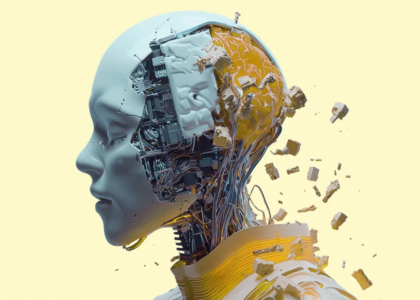


Artificial Intelligence has transformed the way we create and consume content. From automated blog writing to advanced chatbots, AI tools are now capable of producing human-like text at scale. While this innovation has unlocked new levels of efficiency, it has also introduced concerns around authenticity, originality, and trust. This is where AI content detection technology plays a crucial role.
What Is AI Content Detection?
AI content detection refers to the use of advanced algorithms and machine learning models to determine whether a piece of text has been generated by artificial intelligence or written by a human. These tools analyze linguistic patterns, sentence structures, predictability, and other subtle markers that distinguish AI-generated content from human writing.
As AI writing tools continue to evolve, detection systems are also becoming more sophisticated. They are trained on vast datasets containing both human-written and AI-generated text, enabling them to identify even the most nuanced differences.
Why AI Detection Is Important
The growing use of AI in content creation has raised several concerns across industries:
Academic Integrity: Educational institutions are increasingly relying on AI detection tools to ensure students submit original work.
Content Authenticity: Businesses want to maintain trust with their audience by ensuring content is genuine and not overly automated.
Search Engine Guidelines: Platforms like Google prioritize high-quality, human-focused content. Overuse of AI-generated text without proper oversight can harm rankings.
By implementing reliable AI detection systems, organizations can safeguard credibility and maintain content standards.
How AI Detection Technology Works
AI detection tools typically rely on natural language processing (NLP) and statistical analysis. They examine:
Perplexity: Measures how predictable a piece of text is. AI-generated content often has lower perplexity because it follows learned patterns.
Burstiness: Evaluates variation in sentence length and complexity. Human writing tends to be more varied.
Token Probability: Assesses the likelihood of word sequences appearing in AI-generated text.
These metrics allow detection tools to assign a probability score indicating whether content is AI-generated.
Choosing the Right AI Detection Tool
With many options available, selecting the right tool is essential. Look for platforms that offer:
- High accuracy and reliability
- User-friendly interfaces
- Detailed reporting and analysis
- Compatibility with different content types
For those seeking a dependable solution, you can explore advanced features through an AI detector API available. This integration allows developers and businesses to automate content verification seamlessly within their workflows.
The Future of AI Content Detection
As AI continues to advance, the line between human and machine-generated content will become increasingly blurred. This means detection tools must evolve just as quickly. Future developments may include real-time detection, deeper contextual understanding, and integration with content management systems.
Moreover, ethical considerations will shape how these technologies are used. Rather than discouraging AI, the goal is to promote transparency and responsible usage.
Final Thoughts
AI content detection technology is no longer optional—it is a necessity in today’s digital landscape. Whether you are an educator, marketer, or content creator, ensuring authenticity is key to building trust and credibility. By leveraging reliable detection tools and staying informed about technological advancements, you can confidently navigate the evolving world of AI-generated content.