
Introduction
Artificial intelligence tools have become essential for developers, researchers, and everyday users alike. Among these tools, DeepSeek has gained attention for its powerful capabilities in coding, reasoning, and language understanding. However, like any online service, it is not immune to downtime or technical disruptions. When users encounter issues accessing the platform, a common question arises: is the service experiencing a temporary glitch or a larger outage?
This article explores how to determine whether DeepSeek down, the common causes of service interruptions, and practical steps you can take when the platform is not functioning as expected.
How to Check If DeepSeek Is Down
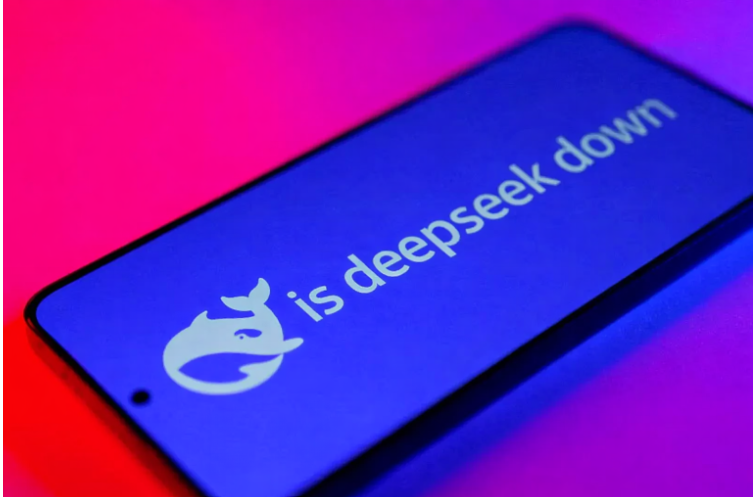
When users start experiencing issues, the first instinct is often to search is deepseek down to confirm whether the problem is widespread or isolated. This is a good starting point, but there are several reliable ways to verify the platform’s status.
First, check official sources such as DeepSeek’s website or status page, if available. Many companies maintain real-time dashboards that show system performance and any ongoing incidents. Second, social media platforms and forums can provide quick insights, as users often report outages immediately. Third, third-party outage tracking websites can help identify whether others are facing similar issues.
It is important to distinguish between a global outage and a local issue. Sometimes the service may be fully operational, but problems with your internet connection, browser, or device can create the illusion that the platform is down.
Common Reasons Behind Service Outages
Understanding why outages occur can help reduce frustration and provide clarity during disruptions. There are several common reasons why a service outage like DeepSeek might go offline temporarily.
One of the primary causes is server overload. As demand for AI tools increases, a sudden surge in users can strain infrastructure. Maintenance and updates are another factor; developers often need to temporarily take systems offline to improve performance or fix bugs. Additionally, unexpected technical failures such as hardware malfunctions or software bugs can lead to downtime.
Cybersecurity incidents, including distributed denial-of-service (DDoS) attacks, can also disrupt services. While such events are less common, they can significantly impact availability when they occur.
Signs That the Issue Is on Your End
Before assuming the platform is down, it is important to rule out local issues. Many access problems originate from the user’s environment rather than the service itself.
For example, a slow or unstable internet connection can prevent proper loading. Browser-related issues, such as outdated versions or corrupted cache files, can also interfere with functionality. Similarly, certain firewall or VPN configurations may block access to specific services.
To troubleshoot, try refreshing the page, clearing your browser cache, or switching to a different browser or device. You can also test your internet connection or temporarily disable VPN services to see if the issue resolves.
What to Do During a DeepSeek Outage
If you confirm that DeepSeek is indeed down, the next step is to manage the situation effectively. While outages can be inconvenient, there are practical ways to minimize disruption.
First, stay updated through official channels. Companies often provide updates on ongoing issues and estimated resolution times. Second, consider using alternative tools temporarily. Depending on your needs, other AI platforms may offer similar functionalities that can help you continue your work.
It is also a good idea to save your work frequently and maintain backups. This ensures that unexpected outages do not result in data loss. Finally, patience is key—most outages are resolved relatively quickly as technical teams work to restore normal operations.
The Importance of Reliable Infrastructure
The reliability of AI platforms depends heavily on the strength of their infrastructure. As tools like DeepSeek grow in popularity, maintaining uptime becomes increasingly challenging.
Scalable cloud infrastructure plays a crucial role in handling large volumes of traffic. Load balancing, redundancy systems, and automated monitoring help ensure that services remain available even under heavy demand. Continuous improvements and upgrades are necessary to keep up with user expectations.
For users, understanding these complexities can provide perspective. While occasional downtime is frustrating, it is often part of the process of maintaining and improving advanced technological systems.
Preventing Workflow Disruptions in the Future
While users cannot control when a service goes down, they can take steps to reduce the impact on their workflow. Planning ahead is essential for anyone who relies heavily on AI tools.
One effective strategy is to diversify your toolkit. Having access to multiple platforms ensures that you are not completely dependent on a single service. Additionally, keeping offline resources or local tools can be beneficial during outages.
Regularly saving your work and maintaining organized backups can prevent loss of progress. It is also helpful to stay informed about scheduled maintenance or updates, as these are often announced in advance.
Conclusion
Experiencing downtime can be frustrating, especially when you rely on AI tools for productivity or research. When users search is deep seek down, they are often looking for quick confirmation and solutions. By understanding how to check the service status, identifying potential causes, and taking proactive measures, you can navigate such situations more effectively.
Ultimately, occasional outages are a normal part of any online service. Staying informed, prepared, and adaptable will help ensure that temporary disruptions have minimal impact on your work.